
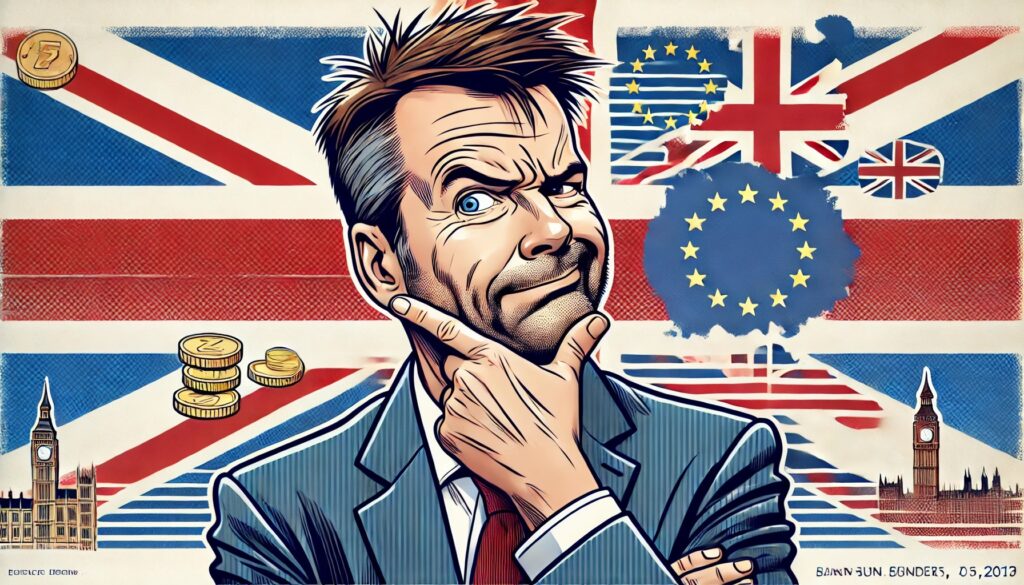
Despite endless shrill calls from EU fanatics, attempting to lay the nation’s economic woes at the feet of the 2016 referendum, the narrative is failing. As sceptics point out, there are two glaring problems with it: the dismal performance of major EU economies and the self-inflicted wounds of Labour’s own policies.
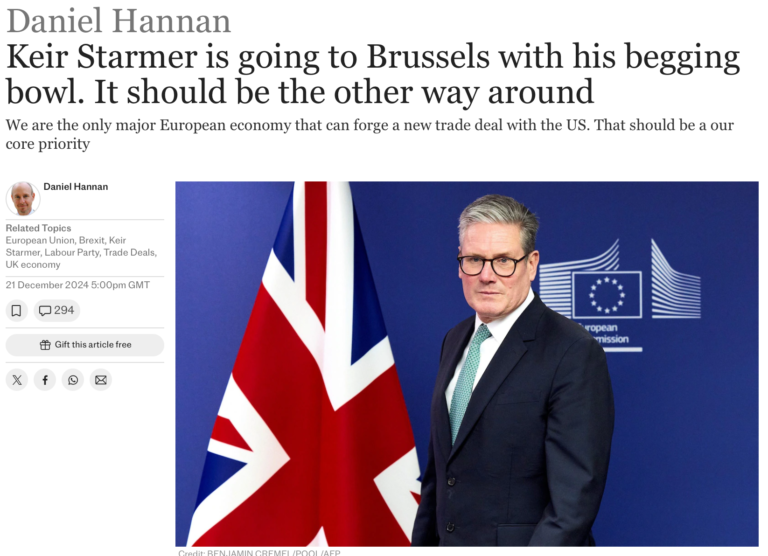
Kier Starmer, Rachel Reeves and others have repeatedly pointed to the aftershocks of Brexit as a key factor in the UK’s economic struggles. This, they claim, has hampered trade, scared off investment, and left Britain floundering in the face of global challenges.
However, critics argue that this convenient line of attack is less about addressing the real issues and more about deflecting from Labour’s missteps. A closer look at Europe tells a different story: the major economies of Germany, France, and Italy are also underperforming, with growth stagnating and inflation biting hard. Germany, the supposed engine of Europe, narrowly avoided a recession last year, and France faces political turmoil over its spiralling cost of living.
‘If Brexit was the sole cause of economic decline, why are EU countries struggling too?’ asked one commentator. ‘This isn’t a Brexit problem – it’s a global economic slowdown.’
But perhaps the most damning critique comes from within Britain’s borders, where voters are growing restless with Labour’s own decisions. Starmer swept to power promising economic growth as his ‘absolute priority’. Yet, after delivering an unpopular budget that increased taxes and slashed incentives for businesses, the economy remains directionless.
Small businesses are reeling from what many have labelled the most anti-enterprise budget in years, while ordinary families see little relief from soaring energy bills and food prices. Meanwhile, Labour’s much-touted plans for green investment and infrastructure seem to be gathering dust, with no clear roadmap in sight.
‘This government campaigned on growth, but all we’ve had is excuses,’ said one disgruntled voter. ‘They can’t keep blaming Brexit when it’s their own policies holding us back.’
Pollsters are picking up on this frustration. A recent survey showed declining confidence in Labour’s economic stewardship, with many questioning whether Starmer has a viable plan to deliver the prosperity he promised. Even former Labour allies are quietly admitting that the party’s approach lacks the bold vision needed to turn Britain’s fortunes around.
The irony is not lost on critics. Starmer, who once vowed to make Brexit work, is now leaning on it as a scapegoat, hoping it will distract from Labour’s lack of tangible progress. But voters are smarter than he seems to give them credit for, and the cracks in this strategy are beginning to show.
As Britain struggles to find its footing in a turbulent world, one thing is clear: blaming Brexit won’t cut it. Without bold, coherent leadership from Labour, Starmer will never regain the confidence of those who handed him the keys to Number 10.