

A New Way to Fight Disease
Imagine a world where the food on your plate could prevent cancer, reverse heart disease, and extend your life. This isn’t science fiction—it’s the groundbreaking reality unveiled by Dr. William Li, a Harvard-trained physician and medical scientist, in a riveting interview with Steven Bartlett. Dr. Li, a pioneer in angiogenesis research, reveals how everyday foods can bolster your body’s natural defenses, starve cancer cells, and combat chronic diseases like diabetes and dementia. With cancer rates soaring—1 in 2 people will face it in their lifetime—and early-onset cases spiking by 80% since 1990, his message is urgent: your diet is your most powerful weapon. Here’s how to wield it.
The Silent Battle Within: Microscopic Cancers
Your body is a battleground. Every 24 hours, it makes 10,000 DNA replication errors—each a potential microscopic cancer. With 40 trillion cells dividing constantly, these mistakes are inevitable, like typos in a 40-trillion-word document. Yet, most of us don’t develop clinical cancer. Why? Dr. Li explains that our bodies are hardwired with five health defense systems: immunity, angiogenesis (blood vessel regulation), DNA repair, microbiome, and stem cell regeneration. These systems act like a vigilant police force, spotting and eliminating rogue cells before they grow into tumors. A 1 cm breast cancer, the smallest detectable by touch, already contains 1 billion cancer cells, fed by 100 million blood vessels. The key to stopping this? Keep your defenses strong through food and lifestyle.
The Food-as-Medicine Revolution
Dr. Li’s research flips the script on traditional medicine. While pharmaceuticals are vital, they can’t match the body’s innate power to heal itself. His experiments, originally aimed at developing cancer drugs, revealed a stunning truth: over 200 foods can starve cancer by cutting off its blood supply or killing cancer stem cells—the seeds that make tumors return. “Mother Nature beat us to the punch,” Li says, noting that no drug can target cancer stem cells as effectively as certain foods.
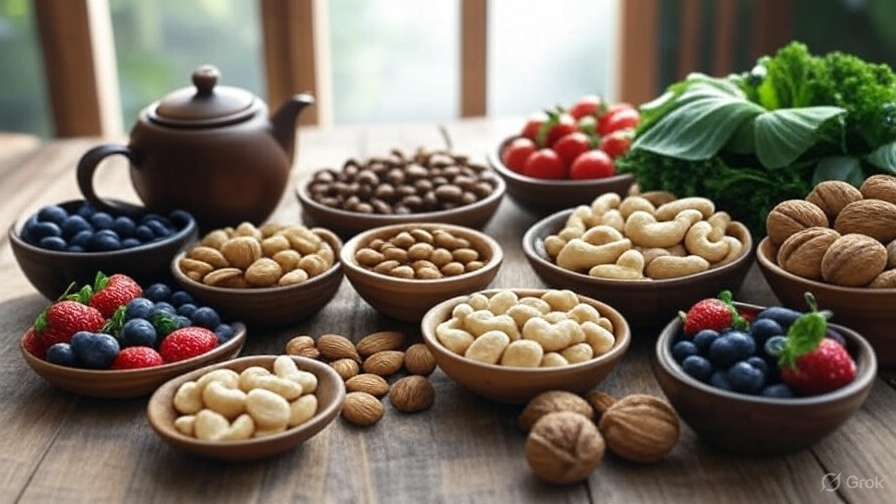
Take tomatoes. Men who eat half a cup of cooked tomatoes 2–3 times a week have a 29% lower risk of prostate cancer, thanks to lycopene, a compound that inhibits tumor blood vessel growth. Berries, packed with fiber and anti-inflammatory polyphenols, reduce inflammation, a key driver of 14 cancers. Coffee and tea, rich in chlorogenic acid and polyphenols, activate brown fat to burn harmful visceral fat and starve tumors. Tree nuts like walnuts and almonds, and leafy greens like kale and bok choy, fortify immunity and metabolism. These aren’t exotic superfoods—they’re accessible, delicious staples you can add to your plate today.
The Hidden Dangers: What’s Sabotaging Your Health?
Modern life is conspiring against us. Dr. Li points to the fallout of industrialization—processed foods, environmental toxins, and microplastics—as culprits in rising chronic diseases. Processed meats, classified as carcinogens by the World Health Organization, are linked to colorectal cancer, which is surging in people as young as their 20s and 30s. Excessive sodium accelerates cellular aging and damages blood vessels, while added sugars disrupt metabolism, leading to insulin resistance and inflammation. Alcohol, despite the hype around red wine’s resveratrol, is a universal toxin, harming the brain, liver, and heart.
Microplastics are an emerging threat. Found in the brain, bloodstream, breast milk, and even testicles, they trigger inflammation and increase the risk of heart attacks and strokes fourfold. A study estimated we consume a credit card’s worth of plastic weekly through food and packaging. Simple fixes? Swap plastic cups and utensils for glass or ceramic, and avoid plastic-packaged foods. Even tea bags, coated with plastic for durability, can shed billions of microplastic particles into your cup. Opt for loose-leaf tea or squeeze your own lemon and ginger for flavor.
Visceral Fat: The Silent Killer
Visceral fat, the inflammatory fat packed around your organs, is a ticking time bomb. Unlike subcutaneous fat (under the skin), visceral fat fuels 14 cancers, including breast, colon, and prostate. A study of normal-sized Swedish women found those with high visceral fat had a threefold higher breast cancer risk due to its inflammatory effects. “It’s like pouring gasoline on a fire,” Li says, explaining how inflammation creates a fertile environment for cancer growth.
The good news? You can fight visceral fat with brown fat, a metabolically active fat that burns harmful fat through thermogenesis. Coffee, chili peppers, and cold exposure (like a cold shower) activate brown fat, helping your body eliminate dangerous fat stores. Dr. Li shares a striking example: a slim person can still be “skinny fat,” with visceral fat hiding inside, as seen in Bartlett’s colleague Jack, whose DEXA scan revealed overnourishment despite a lean frame.
Fasting and Sleep: Nature’s Reset Buttons
Fasting isn’t a fad—it’s ancient medicine. Dr. Li advocates for intermittent fasting as a natural way to burn visceral fat and reset metabolism. By stopping eating after dinner (e.g., 8 PM) and delaying breakfast by an hour, you can achieve 12–16 hours of fasting daily, aligning with your body’s overnight fat-burning mode. Sleep is equally critical. During deep REM sleep, the brain’s glymphatic system flushes toxins, while metabolism shifts to burn fat. Chronic stress and poor sleep disrupt these processes, elevating cortisol and inflammation, making you vulnerable to disease.
Brain Health: The Angiogenesis Connection
Your brain, with 400 miles of blood vessels, relies on healthy circulation. Vascular dementia, caused by clogged or narrowed vessels, is more common than Alzheimer’s, which involves abnormal blood vessels secreting neurotoxins and plaque. Foods like dark chocolate, beets, and spinach produce nitric oxide, widening blood vessels and recruiting stem cells to regenerate brain tissue. These choices can slow brain atrophy and reduce dementia risk, keeping your mind sharp as you age.
A Sustainable Approach: Love Your Food, Love Your Health
Dr. Li rejects restrictive diets like keto or carnivore, which are hard to sustain. Instead, he champions a Mediterranean-style diet—plant-forward, seasonal, and delicious, as seen in Blue Zones like Japan and the Mediterranean. Japanese longevity, he notes, stems from modest portions and avoiding overeating, guided by the principle of hara hachi bu (stop eating at 80% full). His advice? From his list of 200+ health-boosting foods in Eat to Beat Disease and Eat to Beat Your Diet, pick what you love. Highlight favorites like berries or nuts, and build meals around them. Every bite is a chance to raise your body’s shields.
Conclusion: Take Control Today
Dr. William Li’s message is clear: you don’t need a pharmacy to fight disease—your kitchen is your first line of defense. By choosing foods that starve cancer, burn fat, and protect your brain, you can lower your risk of chronic diseases and live longer, healthier. Start small: swap a plastic cup for glass, add a handful of berries to breakfast, or skip late-night snacks. As Li says, “Love your food to love your health.” With cancer rates rising and microplastics lurking, the time to act is now. Visit Dr. Li’s YouTube channel or grab his books to dive deeper into this food revolution. Your plate, your power—use it.