

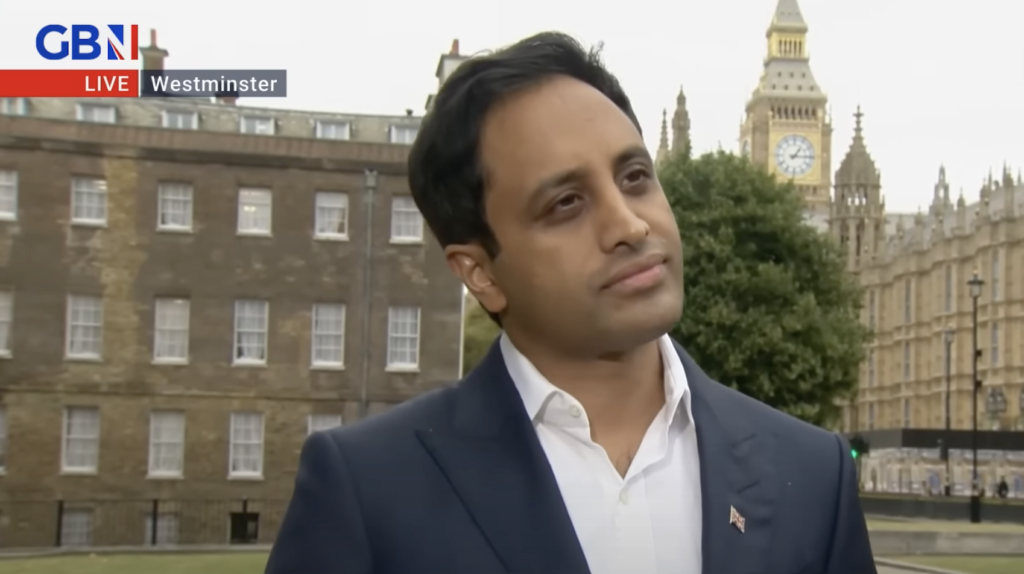
In a recent revelation that has sent ripples across the political landscape, Reform UK’s Chairman, Zia Yusuf, has committed to a significant change in the party’s structure: ensuring that Nigel Farage no longer holds majority ownership or ‘dictatorial control’ over the party. This announcement, made during an interview on 22nd August, marks a pivotal moment in the evolution of Reform UK, a party that has been largely synonymous with Farage’s leadership and vision.
The Power Dynamics of Reform UK
Since its inception, Reform UK has been closely associated with Nigel Farage, the influential and often controversial figure known for his leading role in the Brexit campaign. His significant ownership stake in the party has allowed him to wield considerable influence over its direction and decision-making processes. While Farage’s leadership has provided a strong, unifying figurehead, it has also raised concerns about the democratic nature of the party’s internal operations.
The concentration of power in the hands of one individual is not uncommon in the early stages of political movements. It can provide stability and a clear sense of direction. However, as parties grow and seek to broaden their appeal, the need for a more democratic and participatory structure becomes evident. This is particularly true for a party like Reform UK, which has prided itself on advocating for the will of the people, transparency, and accountability.
Zia Yusuf’s Commitment to Change
Zia Yusuf’s commitment to changing the ownership structure of Reform UK is a bold and commendable step. By advocating for a reduction in Farage’s ownership stake, Yusuf is addressing a critical issue that has the potential to undermine the party’s credibility and long-term success. It is a move that not only aims to ensure fairness and equality within the party but also seeks to align its internal governance with the democratic values it promotes.
Yusuf’s announcement reflects a growing recognition within Reform UK that for the party to thrive and maintain its relevance, it must evolve. A party that seeks to represent the people must itself be a model of democratic practice. By opening up its leadership and decision-making processes to a broader range of voices, Reform UK can demonstrate its commitment to these principles, setting a standard for other political organisations to follow.
Christopher Hope, GB News – Reform UK is a company, and most of the shares were owned by Nigel Farage. How do you change that, and will you change that?
Zia Yusuf, Reform UK – We will change that, and let me be clear, Nigel Farage and Richard Tice have been on the record multiple times, before the election and after the election, saying, ‘Yes, of course, that will change.’
The Importance of Democratic Governance in Political Parties
The significance of Yusuf’s pledge goes beyond the confines of Reform UK. It speaks to a broader issue in contemporary politics: the need for internal democracy within political parties. The democratic process should not begin and end at the ballot box. For political parties to truly represent their constituents, they must also practice democracy within their own ranks.
Internal democracy fosters a culture of accountability and transparency. It encourages debate and the exchange of ideas, leading to more robust and well-considered policies. When party members feel that their voices are heard and their contributions valued, it builds trust and loyalty. It also empowers the party to attract a wider range of supporters and potential leaders, strengthening its base and enhancing its appeal.
A lack of democracy within a party can significantly undermine the motivation of its activists. Party activists are the backbone of any political movement; they are the ones who knock on doors, campaign tirelessly, and engage with the community. When these dedicated individuals feel that their opinions are disregarded or that they have no real influence on the party’s direction, their enthusiasm wanes. Without a sense of ownership and participation, even the most committed activists can become disillusioned and disengaged.
By ensuring a more democratic internal structure, Reform UK can revitalise its activist base. Empowering members to have a genuine say in the party’s policies and leadership choices can reignite their passion and commitment. It allows them to feel that they are part of a collective effort, rather than mere cogs in a machine. This, in turn, can lead to a more energetic, dedicated, and effective campaign force, crucial for the party’s success in elections.
A New Chapter for Reform UK
Zia Yusuf’s announcement represents a new chapter for Reform UK. By addressing the issue of ownership and control, the party has an opportunity to redefine itself and build a more inclusive and democratic organisation. This change can serve as a catalyst for further reforms, ensuring that the party remains true to its founding principles while adapting to the evolving political landscape.
As Reform UK looks to the future, it is crucial that it embraces this moment to strengthen its commitment to democratic governance. By doing so, it can set a powerful example for other political parties and reaffirm its dedication to the values it seeks to promote. In the end, a truly democratic party is not only better equipped to serve its members but is also more likely to earn the trust and support of the public.
In a world where political disillusionment is rife, the importance of genuine democracy within political parties cannot be overstated. Zia Yusuf’s commitment to change is a positive step in the right direction, one that has the potential to reshape Reform UK and inspire a broader movement towards more democratic practices across the political spectrum.
Reforming to Win
If Reform UK genuinely intends to win the next General Election and bring about meaningful reform to the nation, it must begin by reforming itself. A democratic party structure is essential for building the kind of motivated, robust electoral machine that can mobilise supporters and win votes. By embracing internal democracy, Reform UK can harness the full potential of its members, attract new supporters, and ultimately become a more formidable force in British politics. In doing so, it can lead the charge not just for national reform, but for the renewal of democratic principles across the political landscape.


