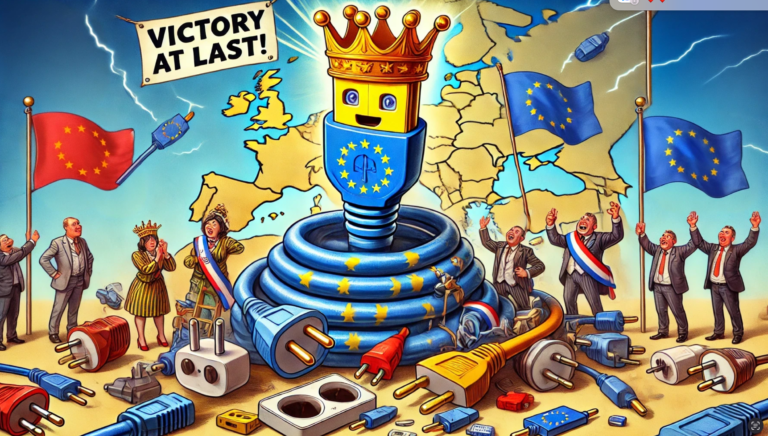

Ever since the 2016 EU Referendum, organizations like Best for Britain and the European Movement have been tirelessly working on their campaign for the UK to rejoin the European Union.
In early 2018, they began recruiting and training hundreds of activists across the country. Experts in political persuasion, who had worked on global campaigns, were brought in to build the infrastructure required for a long-term political campaign.
I attended one of their sessions in North London to understand their strategy.
The event was a mix of seminar and role-playing training session. The core message was clear: convince the public that Brexit was a failure, and explore various methods to persuade people of this narrative. Every problem, from the cost of living to economic downturns, was to be blamed on Brexit, ignoring all other factors. The repetition of this narrative aimed to embed it in public thinking.
This was not a short-term strategy but a long-term process operating on two levels:
- Professional PR: Public Relations firms would be employed to create news stories fed to the mainstream media.
- Grassroots Activism: Trained, coordinated activists would flood social media with ‘Blame Brexit’ stories to convince people that Brexit was a hopeless mistake.
The goal was straightforward: convince the public that Brexit was a failure to prepare them for another referendum when the right moment arose.
In 2018, the circumstances weren’t right. Theresa May’s Conservative Government failed to pass a watered-down Brexit deal and she was ousted. In 2019, Boris Johnson won a General Election with the slogan ‘Get Brexit Done’ and officially left the EU on January 31, 2020.
But then, troubles began. COVID-19 led to vast money-printing, causing spiraling inflation, and the war in Ukraine sent energy prices skyrocketing, further inflating costs. The ‘Rejoiners’ claimed these events masked the economic damage Brexit was doing, asserting that Brexit was the underlying cause of the UK’s problems.
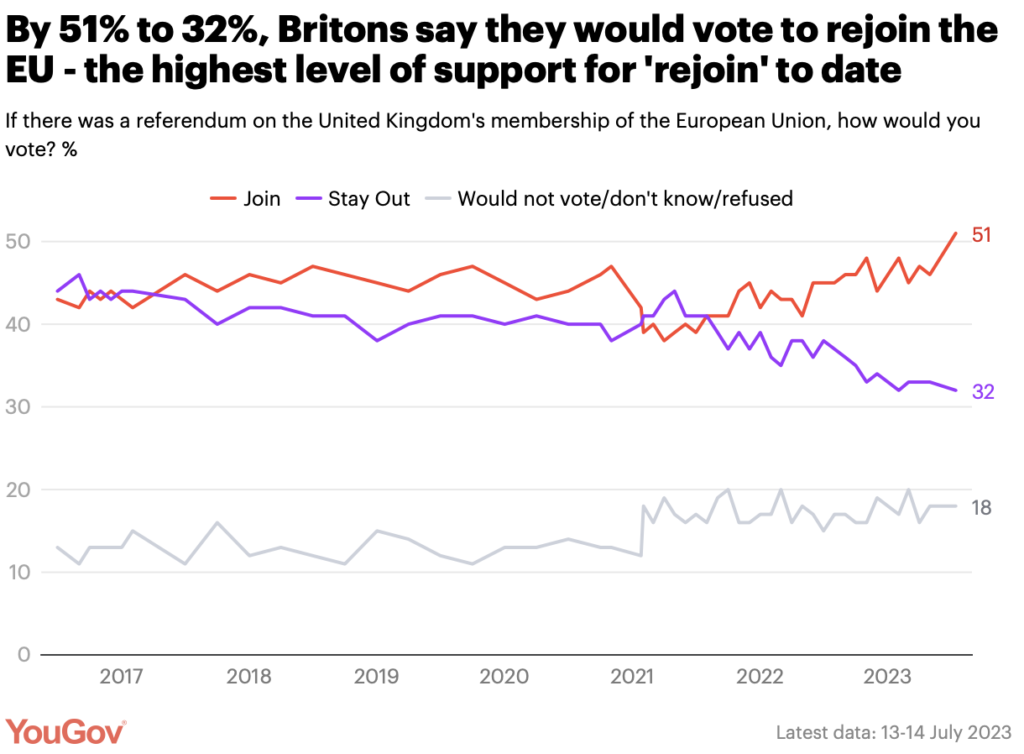
For committed Leave voters, it might seem like the Rejoiners’ efforts have been ineffective and that a majority still supports Brexit. However, YouGov’s polling last year reported that 51% of people would vote to rejoin the EU versus 32% who would vote to stay out, with 18% undecided.
If these polls are accurate, the first requirement for a second referendum – a clear majority in favor of rejoining the EU – is in place.
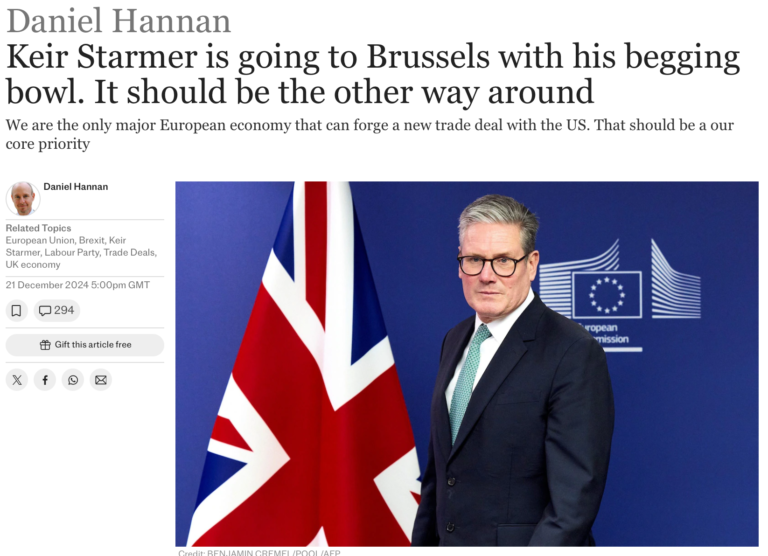
Since last week, the second requirement for a referendum is also in place: we have a Prime Minister willing to call one. Keir Starmer, a long-time pro-EU Remainer, previously called for a referendum and resigned from the shadow cabinet stating the result of the EU Referendum was ‘catastrophic’ for the country.
Labour avoided making Brexit a key issue in their General Election campaign, stating they were not proposing to rejoin the EU Single Market or Customs Union. However, they pledged to achieve ‘growth’ and ‘improve’ the UK’s current trading arrangements with the EU.
So, if the EU reserves ‘better terms’ for its members only, what will Starmer do?
If pressured to achieve growth that supposedly can only be achieved by rejoining the EU, he faces a dilemma.
He can’t break his election pledge by simply rejoining the EU. He will have to call a second referendum.
The people must decide.